NexMate

AI Human Generator for Clearly Fictional Adult Character Portraits

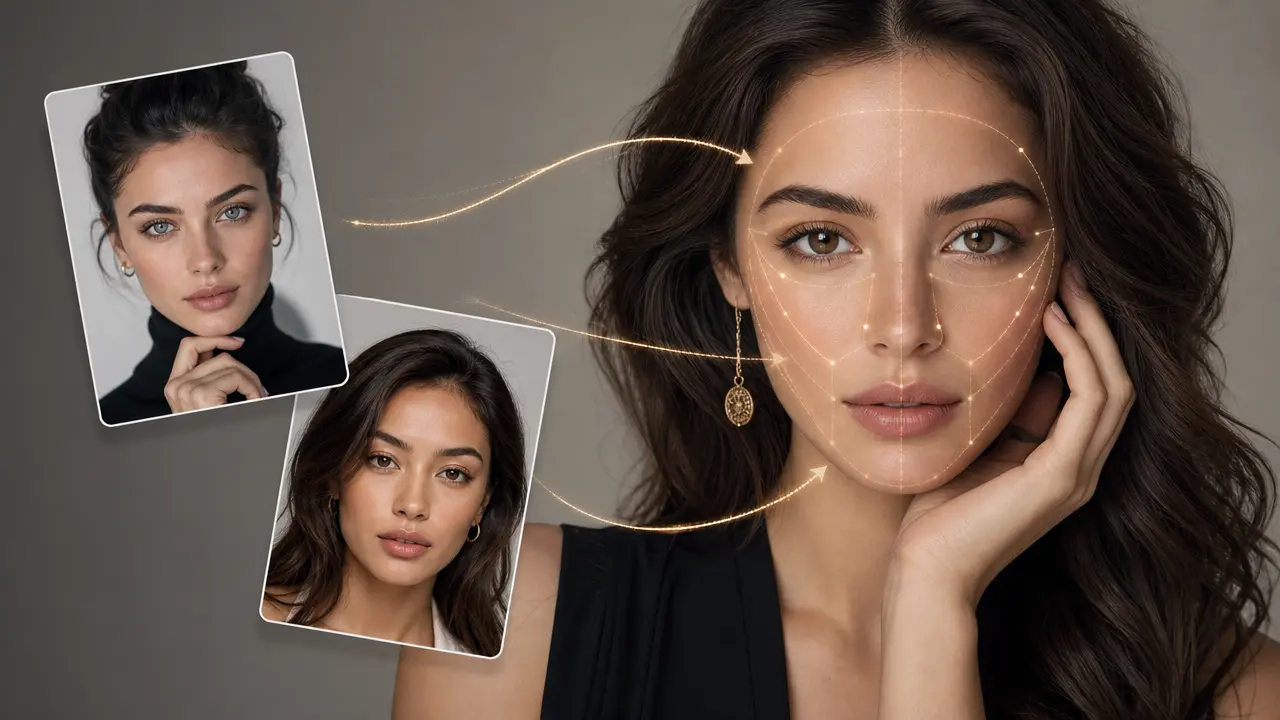
Start with an original character brief that avoids real-person identity claims, public figures, and sensitive personal attributes. Choose character role, presentation, setting, visual direction, and output framing, then review the result against the original context before using it.

Create an AI Human Generator Request

Use only material you are authorized to handle. Review source details and intended use before submitting.

30-1,000 characters. Do not describe real people, public figures, or sensitive attributes.

.

Key features

Key Features of AI Human Generator

01

Controls matched to the task

The form makes character role, presentation, setting, visual direction, and output framing explicit, so the request captures the intended result and delivery context instead of relying on an ambiguous one-line instruction.

02

Source-quality guidance

Begin with an original character brief that avoids real-person identity claims, public figures, and sensitive personal attributes. Clear, authorized source material gives the request a stronger factual and visual foundation for later review.

03

Review points before use

Check fictional disclosure, unintended resemblance, stereotyping, sensitive traits, visible text, and intended audience before relying on a future result. Structured inputs improve clarity but never replace contextual human verification.

04

Responsible-use boundary

Use this tool within a clear boundary: do not create a real person's likeness, public figure, identity document, deceptive profile, or sensitive-attribute inference. Retain source material and permissions whenever they affect sharing or commercial use.

Step by step

How to Use AI Human Generator

  1. 1

    Prepare the source and outcome

    Provide an original character brief that avoids real-person identity claims, public figures, and sensitive personal attributes. Keep the request tied to the actual use case and to information, media, and people you are authorized to handle.

  2. 2

    Set the controls for the destination

    Choose character role, presentation, setting, visual direction, and output framing. Select settings that fit the intended audience and placement instead of assuming a more aggressive transformation is always better.

  3. 3

    Review key details before use

    Inspect fictional disclosure, unintended resemblance, stereotyping, sensitive traits, visible text, and intended audience. Compare important details with the source and obtain qualified review when the material affects rights, safety, records, or public claims.

FAQ

FAQ of AI Human Generator

Does AI Human Generator create a real person?+

No. It prepares a fictional adult character portrait. The result should be presented as synthetic or fictional media and must not be used to claim that a real person exists or endorsed something.

Can I generate a public figure or someone I know?+

No. Do not request recognizable real people, public figures, clients, classmates, or any person without permission. Use an original character description instead.

Can I use a generated person for a profile?+

Do not use a fictional face to deceive others about identity. If a synthetic character is used in a public context, label it clearly and avoid creating a misleading personal, dating, professional, or official profile.

What should I avoid in a character brief?+

Avoid sensitive traits, stereotypes, demographic claims, medical information, and descriptions designed to imitate a real person. Focus on an original role, setting, wardrobe, and non-sensitive visual direction.

Why is fictional disclosure important?+

Disclosure helps people understand that the person is not a photograph of a real individual. It reduces confusion around identity, consent, testimonial claims, and any apparent relationship with a brand or organization.