Controls matched to the task
The form makes purpose, audience, tone, structure, and detail level explicit, so the request captures the intended result and delivery context instead of relying on an ambiguous one-line instruction.
Start with authorized context, verified facts, and a clear intended outcome. Choose purpose, audience, tone, structure, and detail level, then review the result against the original context before using it.
Use only material you are authorized to handle. Review source details and intended use before submitting.
Expected output
Input
An authorized example prompt is organized into a reviewable request.
Output
Review direction: retain verified facts, clarify uncertainty, and obtain human review before sharing.
An authorized example prompt is organized into a reviewable request.
Key features
The form makes purpose, audience, tone, structure, and detail level explicit, so the request captures the intended result and delivery context instead of relying on an ambiguous one-line instruction.
Begin with authorized context, verified facts, and a clear intended outcome. Clear, authorized source material gives the request a stronger factual and visual foundation for later review.
Check accuracy, sensitive details, source context, and the limits of a generated draft before relying on a future result. Structured inputs improve clarity but never replace contextual human verification.
Use this tool within a clear boundary: do not translate confidential images without authorization or rely on output without checking recognition, terminology, and layout. Retain source material and permissions whenever they affect sharing or commercial use.
Step by step
Provide authorized context, verified facts, and a clear intended outcome. Keep the request tied to the actual use case and to information, media, and people you are authorized to handle.
Choose purpose, audience, tone, structure, and detail level. Select settings that fit the intended audience and placement instead of assuming a more aggressive transformation is always better.
Inspect accuracy, sensitive details, source context, and the limits of a generated draft. Compare important details with the source and obtain qualified review when the material affects rights, safety, records, or public claims.
FAQ
It helps you prepare an authorized image-text translation request with source language, target language, layout, and terminology controls. The page turns the intended source, settings, and review points into a clear request before any output is relied on.
Use authorized context, verified facts, and a clear intended outcome. A complete source and a defined goal reduce ambiguity and make later review more practical.
Choose purpose, audience, tone, structure, and detail level for the actual audience and destination. Start with the setting that serves the goal without introducing unnecessary changes.
Review accuracy, sensitive details, source context, and the limits of a generated draft. Compare important claims, visible details, and context with the original source rather than treating a polished result as automatically correct.
do not translate confidential images without authorization or rely on output without checking recognition, terminology, and layout. You remain responsible for permissions, accuracy, disclosures, and the final decision to use or share a result.
Image Tools

Prepare an authorized image cleanup request for removable text, logo, or date-stamp overlays with location and texture-preservation controls.
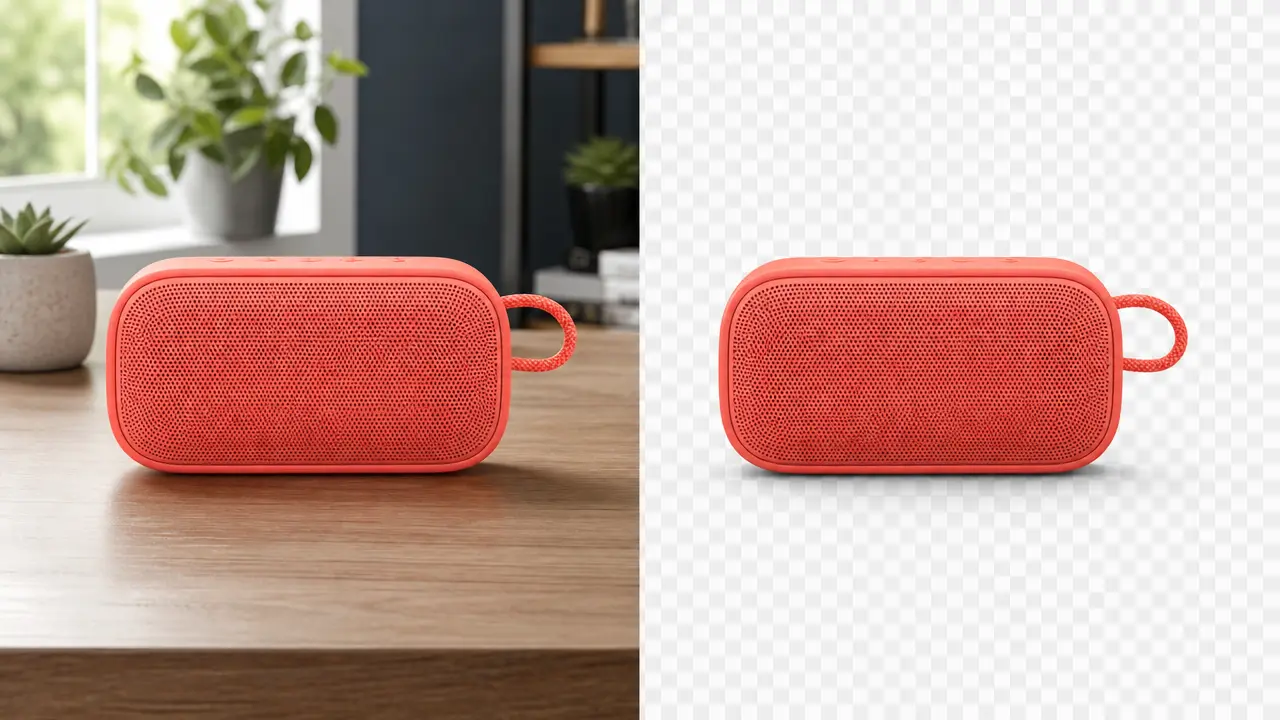
Isolate the main subject and prepare a transparent image with edge and shadow controls.
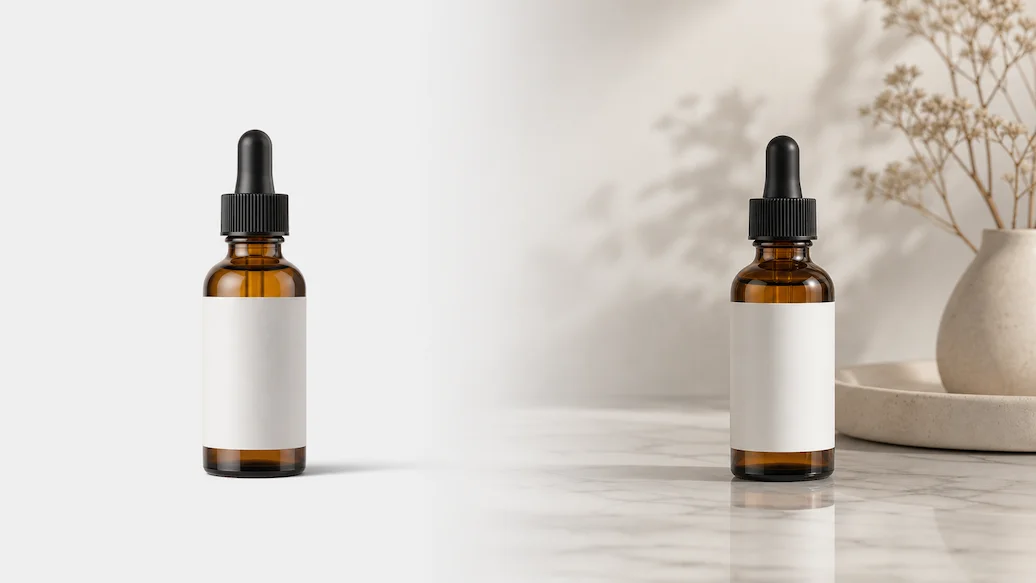
Prepare a photo cutout and background-replacement request using a solid color, custom image, AI scene, or transparent output.
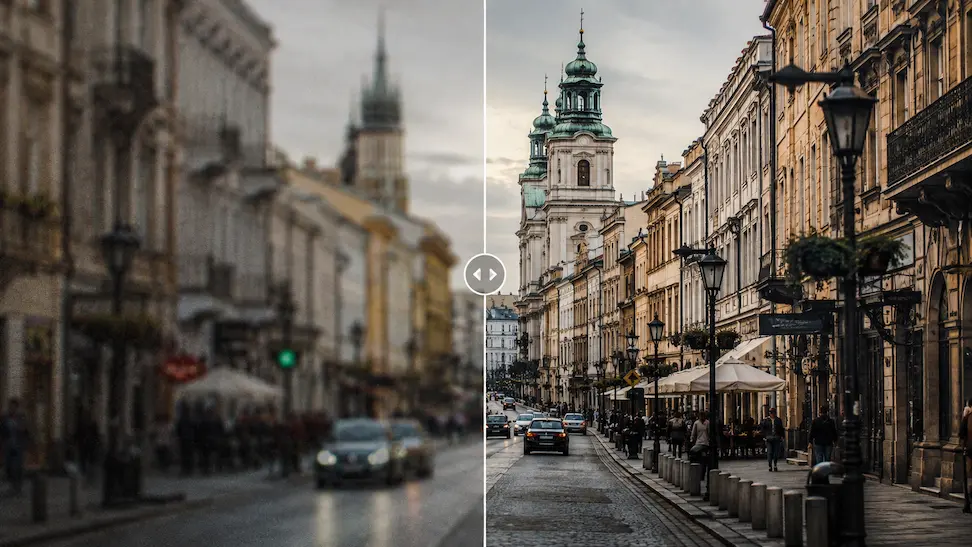
Prepare an authorized image enhancement request with detail, noise, color, and output-use controls.

Use Transparent Background to prepare a transparent-background request from an authorized image with edge, shadow, and output controls.
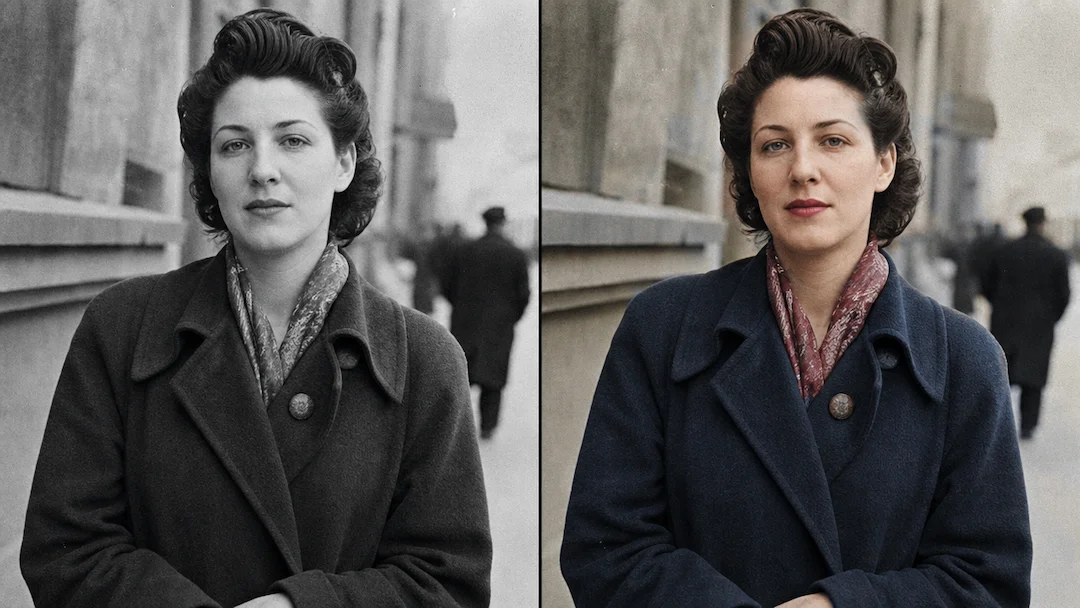
Use Photo Colorizer to prepare a careful colorization request for an authorized black-and-white photo with reference, skin-tone, clothing, and historical-context controls.