NexMate

New Yorker Cartoon Generator: Create an Original Urban Single-Panel Cartoon

Describe an original everyday observation or upload an authorized photo, then choose a restrained urban cartoon direction. The New Yorker name is a third-party reference for search intent only; this independent tool does not reproduce magazine covers, logos, typography, captions, or any specific cartoonist's work.

Create with New Yorker Cartoon Generator

Choose the inputs that match your source material and intended result, then submit a prepared request for review.

20-800 characters. Do not paste published captions or request a specific cartoonist, magazine cover, logo, or copyrighted cartoon.

JPG, PNG, or WebP up to 20 MB. Do not upload magazine pages, published cartoons, or images you lack permission to use.

.

Key features

Key Features of New Yorker Cartoon Generator

01

Start with a clear everyday premise

Use one concise scene idea about work, city life, family, technology, or another ordinary situation. A focused premise gives the single panel a readable visual joke or observation without relying on copied captions, publication branding, or a particular artist's voice.

02

Design for one self-contained panel

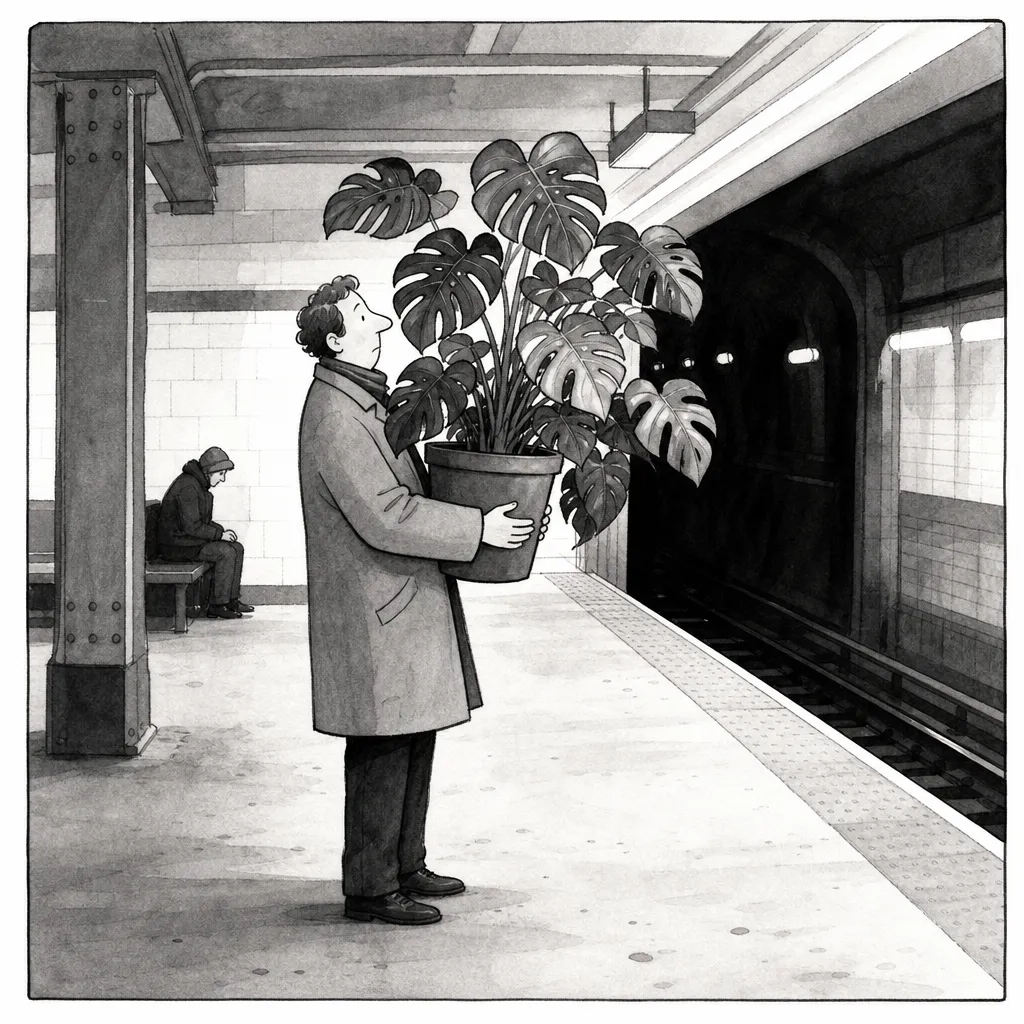
Choose a central action, simple setting, and restrained character count so the image reads in one glance. This makes the composition useful for a social post, newsletter illustration, or personal prompt without turning it into a replica magazine cover or comic strip.

03

Control an original editorial tone

Select dry, warm, surreal, or observational humor as a broad direction and set the amount of visual detail. The tool uses that briefing information to prepare a distinct image concept rather than copying a known cartoon, caption construction, or illustrator style.

04

Avoid copied editorial identity

Do not include The New Yorker masthead, cover layout, branded typography, published cartoon captions, or claims of publication. When people are shown, use only authorized photos and avoid humiliation, harassment, or a misleading depiction of a real event.

Step by step

How to Use New Yorker Cartoon Generator

  1. 1

    Write one original scene premise

    Describe a simple everyday situation, the central action, and the intended emotional tone. Keep the idea original and avoid asking for a published caption, an existing cartoon, a magazine cover, or a particular cartoonist's distinctive style.

  2. 2

    Choose visual restraint and framing

    Set the humor direction, scene density, and square or landscape panel format. Use a small number of characters and a clear setting so the single-panel composition can communicate without tiny labels, logos, or an imitation publication layout.

  3. 3

    Review people, marks, and claims

    If you use an input photo, confirm you may use it and check the output for recognizable people, private information, and third-party marks. Share the image as original generated editorial-style art, not as a real publication or commentary by a known magazine.

FAQ

FAQ of New Yorker Cartoon Generator

What does New Yorker Cartoon Generator create?+

It prepares an original, single-panel urban cartoon concept from an authorized photo or written scene idea. The output direction is intended for a self-contained visual observation, not for reproducing an existing magazine cartoon, cover, masthead, or caption.

Is this tool affiliated with The New Yorker magazine?+

No. The New Yorker is a third-party publication name used only to describe a common search intent. This independent tool is not affiliated with the magazine and does not provide its artwork, typography, cover design, published captions, or editorial approval.

Can I request a cartoon by a specific New Yorker cartoonist?+

No. Ask for broad original qualities such as dry urban humor, sparse ink lines, or an observational single-panel scene. Avoid naming a living or known artist, copying a published work, or recreating a recognizable caption or composition.

Can I use a photo of a coworker in the cartoon?+

Only with their permission and a respectful purpose. Do not use a real person's image for humiliation, harassment, false statements, or misleading event depictions. Consider using an original fictional character description when consent is unclear.

Why is a caption-free composition recommended?+

Generated text can be inaccurate or hard to read, and copied caption conventions can create editorial confusion. A clear visual premise keeps the image more flexible and original; add your own reviewed copy separately when you have the right to do so.