Controls matched to the task
The form makes overlay location, cleanup scope, edge review, and export framing explicit, so the request captures the intended result and delivery context instead of relying on an ambiguous one-line instruction.
Start with an original video you own or are explicitly authorized to edit, with a non-required overlay identified. Choose overlay location, cleanup scope, edge review, and export framing, then review the result against the original context before using it.
Use only material you are authorized to handle. Review source details and intended use before submitting.
Expected output

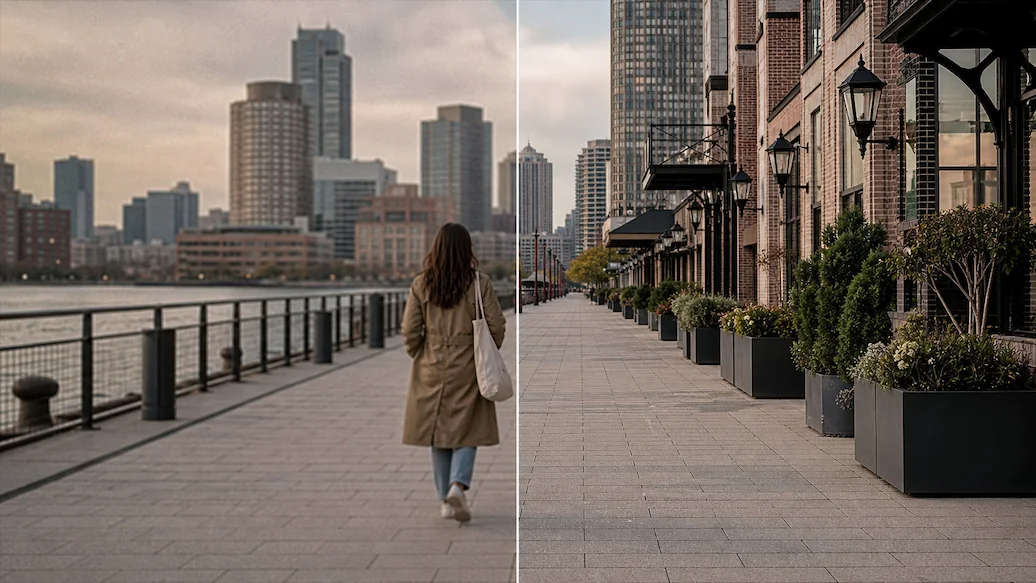
One original unbranded vertical video frame shows a non-required abstract corner overlay and a matching clean area for authorized review.
Key features
The form makes overlay location, cleanup scope, edge review, and export framing explicit, so the request captures the intended result and delivery context instead of relying on an ambiguous one-line instruction.
Begin with an original video you own or are explicitly authorized to edit, with a non-required overlay identified. Clear, authorized source material gives the request a stronger factual and visual foundation for later review.
Check ownership, required attribution, rights notices, recovered background detail, and platform terms before relying on a future result. Structured inputs improve clarity but never replace contextual human verification.
Use this tool within a clear boundary: do not remove third-party watermarks, required attribution, ownership information, or platform marks without permission. Retain source material and permissions whenever they affect sharing or commercial use.
Step by step
Provide an original video you own or are explicitly authorized to edit, with a non-required overlay identified. Keep the request tied to the actual use case and to information, media, and people you are authorized to handle.
Choose overlay location, cleanup scope, edge review, and export framing. Select settings that fit the intended audience and placement instead of assuming a more aggressive transformation is always better.
Inspect ownership, required attribution, rights notices, recovered background detail, and platform terms. Compare important details with the source and obtain qualified review when the material affects rights, safety, records, or public claims.
FAQ
No. Use this request only for original media you own or have explicit permission to edit. Do not remove third-party watermarks, creator attribution, ownership information, or platform marks.
It means identifying a non-required overlay in your own source media and reviewing the restored area. It does not authorize stripping attribution or rights information from another person's content.
A cleanup can change nearby texture, motion, or text. Inspect the original and any future output together, especially around the overlay boundary, before reuse or publication.
Only if you have rights to the video and comply with the relevant platform terms. Removing a mark does not transfer copyright, consent, music, or distribution rights.
No such outcome should be assumed. The request is limited to an authorized, non-required overlay and must not be used to remove required notices or mislead viewers about the media origin.
Video Tools
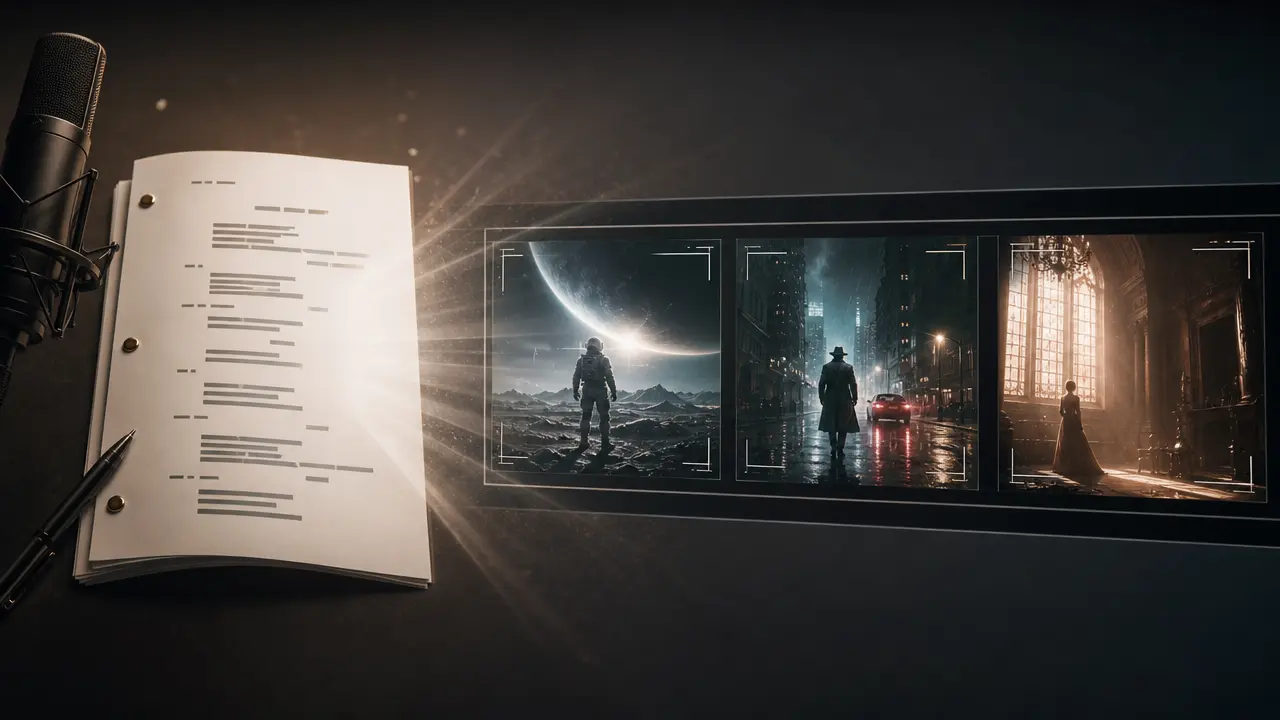
Structure a written script into a video concept with visual style, voice, captions and framing controls.

Use Audio to Video to prepare an audio-led video concept with deliberate visual pacing, style, and output framing.
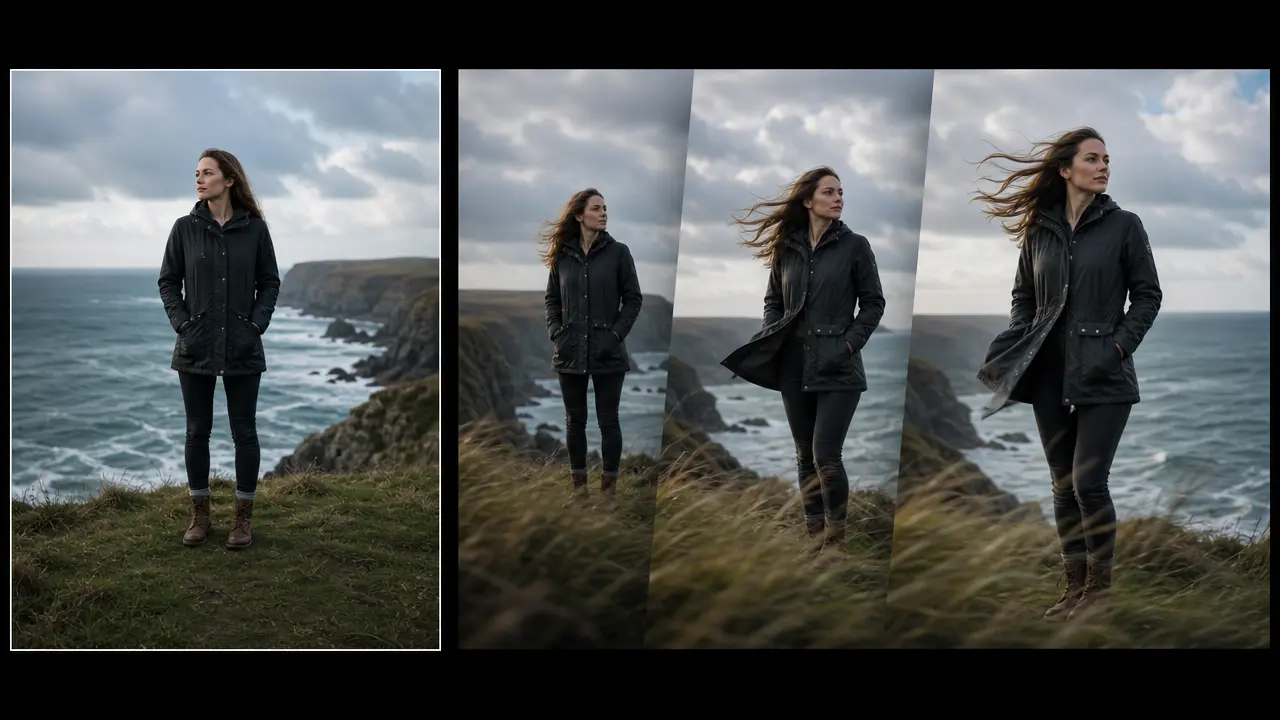
Plan a short motion treatment from a still image with direction, movement strength, duration, and output framing controls.
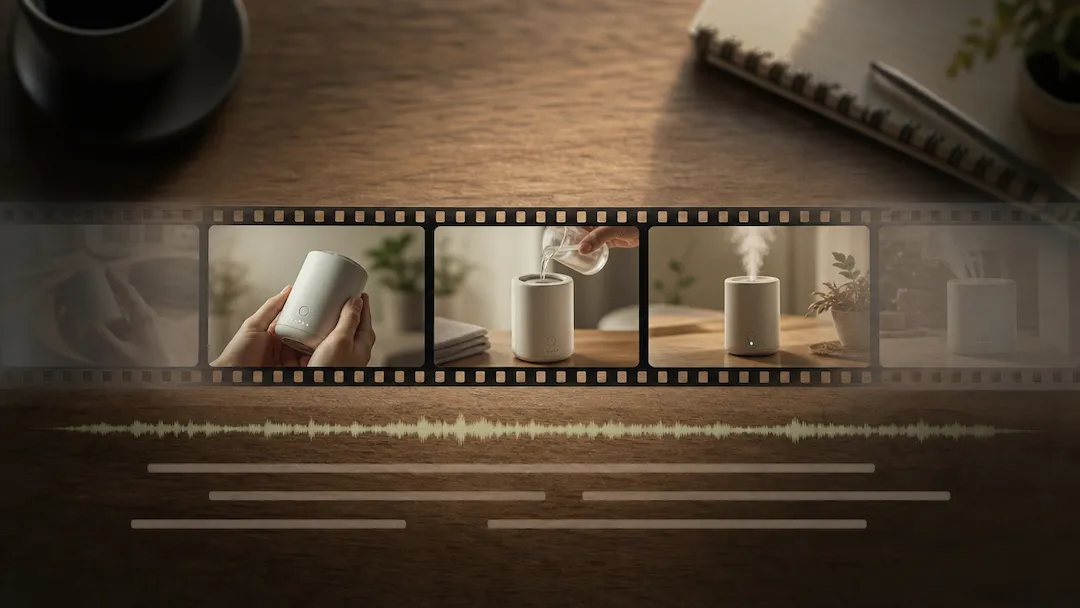
Use Video Editor to prepare an authorized video editing request with a defined edit goal, pacing, captions, delivery ratio, and review checklist.
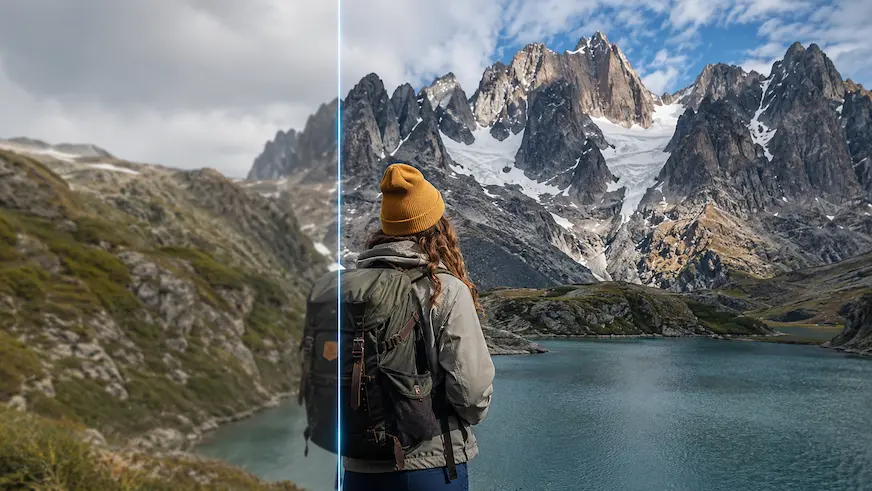
Use Video Enhancer to prepare a reviewable video-quality improvement request for authorized footage.
Use Video Upscaler to prepare an authorized video upscaling request with a target resolution, artifact controls, frame handling, and intended delivery use.