Premise and conflict planning
Start with a concise premise, setting, and central conflict so the requested story has usable narrative anchors rather than relying on a vague genre label or an instruction to imitate a specific author.
Define a premise you have the right to use, choose audience and tone, and prepare a focused story brief that avoids passing generated text off as someone else's work.
Submit only original or authorized material. Do not imitate living authors or present an AI-assisted draft as another person's work.
Expected output
Input
A student librarian finds a brass key inside a returned book and must decide whether to open the sealed room beneath the old library before the town festival begins.
Output
Brief direction: young-adult adventure, hopeful tone, first-person viewpoint, one opening scene focused on the key, the library, and a clear choice. Review names and references before drafting.
A reviewable original-story brief demonstrates how premise, audience, tone, and format become a focused drafting request without claiming that a finished story has been generated.
Key features
Start with a concise premise, setting, and central conflict so the requested story has usable narrative anchors rather than relying on a vague genre label or an instruction to imitate a specific author.
Select a reader group and a hopeful, adventurous, reflective, or humorous tone to guide readability and content boundaries without making unsupported claims about age suitability or editorial approval.
Choose a short scene, outline, or opening chapter direction and a target length, helping the request match a practical drafting task while preserving room for the writer to revise pacing and continuity.
The page encourages users to revise factual references, names, cultural details, and stylistic choices, and it prohibits presenting an AI-assisted draft as the work of another living author or creator.
Step by step
Describe your own premise, setting, protagonist goal, and conflict. Do not paste unpublished work you lack permission to use or ask the tool to imitate a living writer's distinctive voice.
Set the audience, tone, and draft format, then add constraints such as point of view or themes. Keep the brief practical and avoid relying on generated text for safety, legal, medical, or factual advice.
Review originality, coherence, names, cultural references, and sensitive themes before sharing. You remain responsible for the final work, attribution, disclosures, and any publishing or commercial decisions.
FAQ
It prepares a structured request for an original story draft, outline, or opening scene. At launch, it records the request but does not generate the written story.
Do not ask it to imitate a living author's distinctive style. Describe high-level attributes you want, such as concise dialogue, a reflective tone, or a fast-paced mystery structure.
You should submit only ideas and material you have the right to use. You remain responsible for your source material, the final edited text, attribution, and any rights needed for publishing.
No. Choose an intended audience and review language, themes, conflict, and references yourself. A selected audience option is a drafting preference, not a guarantee of content suitability.
Include a protagonist goal, a setting, and one central conflict or choice. This gives the draft a workable direction while leaving room for creative revision, instead of overloading the request with a complete plot and every line of dialogue.
AI Writing Tools
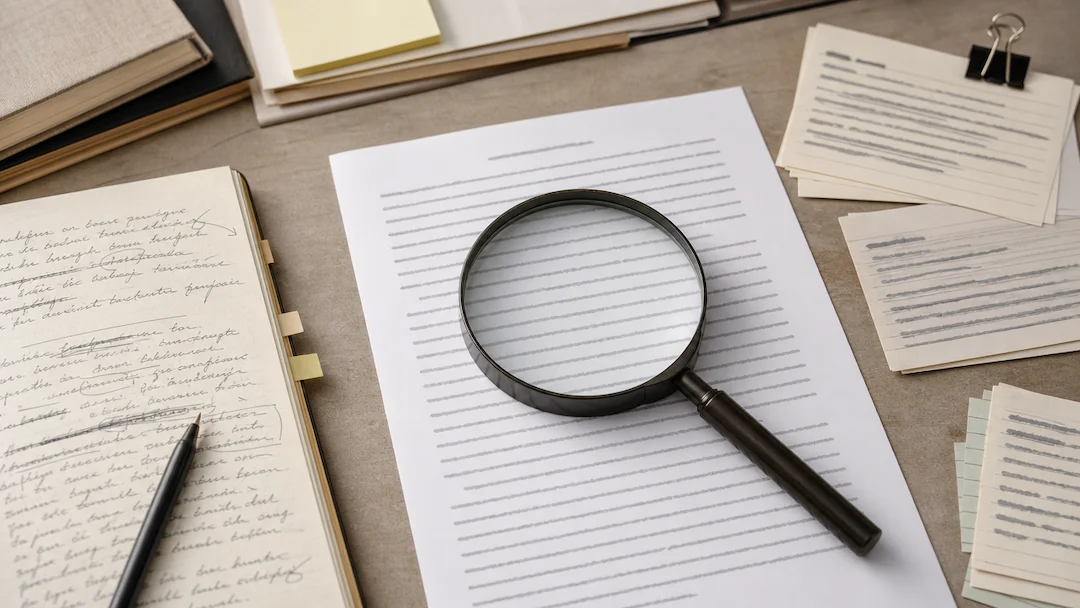
Use AI Detector to prepare a text-pattern review request with language, document type, and a clear understanding that the result is not an authorship verdict.

Use AI Email Writer to prepare a context-aware email draft with a defined goal, audience, tone, and call to action.
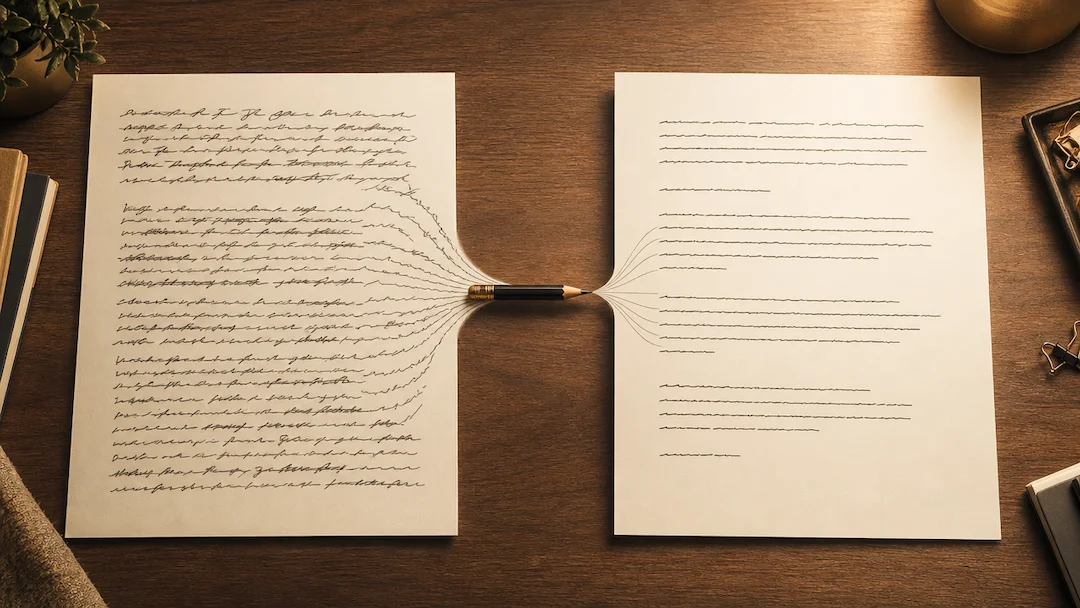
Prepare a sentence or paragraph rewrite request with meaning, tone, length, language, and protected terms kept under control.
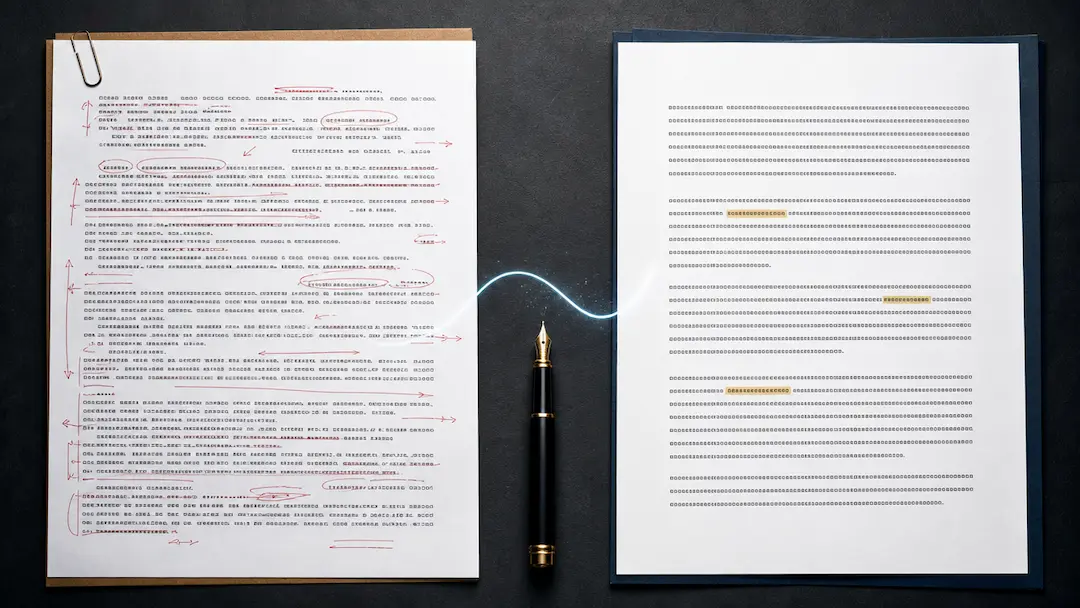
Revise a draft for clearer, more natural wording while retaining the writer’s intended meaning, facts, citations, and responsibility for the final text.
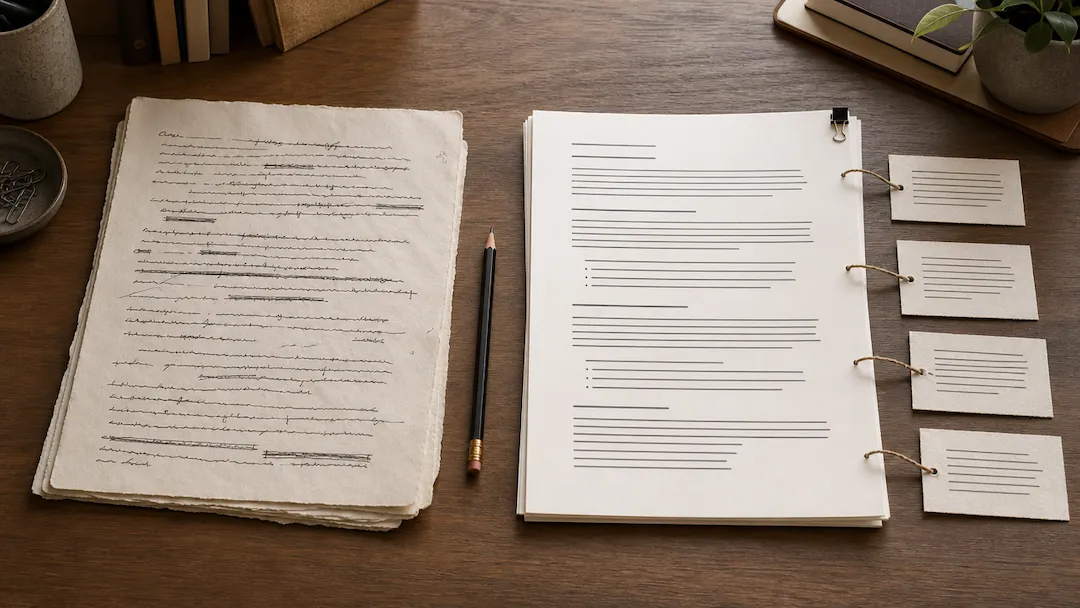
Refine an AI draft for clearer, more natural wording while keeping facts, citations, and your own voice under review.
Use AI Grammar Checker to prepare a grammar and clarity review request for text you are authorized to edit.